Subscribe to out newsletter today to receive latest news administrate cost effective for tactical data.
2478 Street City Ohio 90255
Minimally invasive surgical solutions to remove fibroids and improve your chances of conception – tailored for women pursuing pregnancy.
· Uterus-Preserving Techniques – Precision removal without compromising fertility · Minimally Invasive Options – Faster recovery than traditional surgery · Fertility-Optimized Approach – Specialized protocols to enhance future pregnancy success · Multidisciplinary Team – Collaboration between reproductive surgeons and fertility specialists · Advanced Imaging & Surgical Tech – Including hysteroscopy, laparoscopy, and robotic assistance
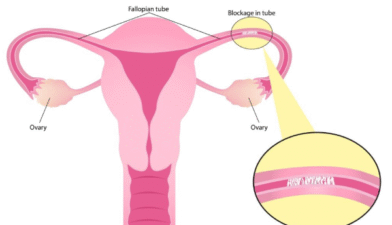
· Physical blockage of fallopian tubes · Distortion of uterine cavity affecting implantation · Increased miscarriage risk · Interference with IVF success
· For submucosal or intramural fibroids >4cm · When fibroids cause recurrent pregnancy loss · Before pursuing IVF treatment · When symptoms (heavy bleeding, pain) affect quality of life


· No incisions – removed via vagina and cervix · Outpatient procedure with same-day recovery · Ideal for fibroids distorting the endometrial lining
· 3-4 tiny incisions, camera-guided precision · Preserves uterine integrity for pregnancy · 2-4 week recovery vs. 6-8 weeks for open surgery
· Enhanced 3D visualization and wristed instruments · Superior precision for fertility preservation · Reduced blood loss and scarring
· Single incision technique · Specialized closure methods to support future pregnancies
· Detailed uterine mapping via saline sonogram or MRI · Ovarian reserve testing if needed · Coordination with your fertility treatment timeline
· Minimal electrosurgery to preserve uterine health · Layered closure techniques to prevent rupture risk · Adhesion prevention barriers
· When to resume trying to conceive (typically 3-6 months) · Recommended imaging before pregnancy attempts · Integration with fertility treatments (IUI/IVF)
A: Typically 3-6 months depending on procedure type and uterine healing.
A: Yes, studies show improved implantation rates after removing cavity-distorting fibroids.
A: ~15-30% over 5 years; we monitor with annual ultrasounds.
A: With proper surgical technique, yes – we recommend delivery via C-section for some cases.


Next Steps
· Schedule a Fibroid Consultation – Ultrasound and treatment plan
· Meet Our Surgical Team – Fertility-trained and experienced gynecologic surgeons
Schedule Your Evaluation
ACADEMIC REGISTRATION