Subscribe to out newsletter today to receive latest news administrate cost effective for tactical data.
Let’s Stay In Touch


Subscribe to out newsletter today to receive latest news administrate cost effective for tactical data.
 Teritary Care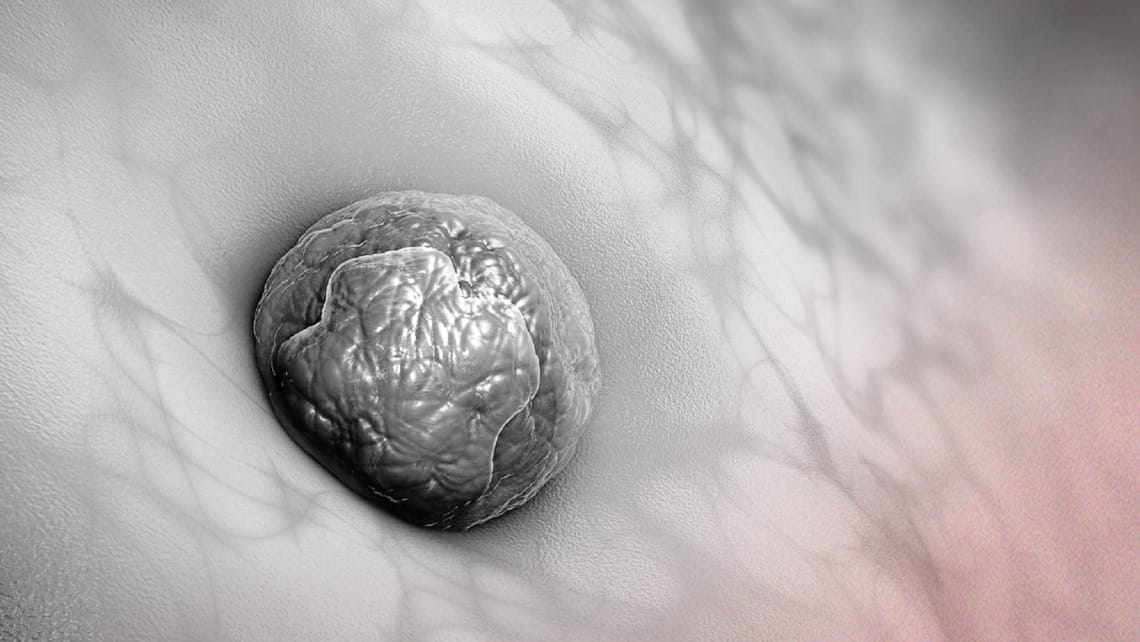
 Tertiary Care
Precision Medicine Solutions When Embryos Don't Stick At GBR Fertility Centre, we've helped couples overcome repeated IVF failures through our RIF Root-Cause Analysis System. Where standard clinics see mystery, we find answers.

· Embryo Grading · Trophectoderm Biopsy - Epigenetic marker testing · Mitochondrial Function Assessment
· ERA - 248-gene endometrial receptivity array · Endometrial Microbiome Analysis - Chronic endometritis detection · Uterine Natural Killer Cell Profiling
· Thrombophilia Panel - 12 clotting disorder tests · Immune Function Mapping - Cytokine balance assessment · Uterine Perfusion Ultrasound - Doppler blood flow analysis


 Laser-Assisted Hatching - For zona pellucida abnormalities EmbryoGlue® Transfer - Hyaluronan-enriched mediumCo-Culture Systems - Endometrial cell conditioned media
 IV Severe IVF with long agonist protocol
PRP Endometrial Rejuvenation - Growth factor infusionPersonalized Hormonal Prep - Based on ERA resultsEndometrial Scratch - For optimal decidualizationIntralipid Infusions - For elevated NK cell activityHeparin Protocols - For thrombophilia casesCorticosteroid Adjustment - Precision dosing


 ACADEMIC REGISTRATION